

A roof claim should be straightforward. Storm hits. Damage happens. Insurance pays. End of story. Except it rarely works that way.
If you’ve ever filed a roof claim, you already know the frustration. The inspection feels rushed. The estimate feels low. The explanation feels vague. And suddenly, you’re expected to make sense of policy language that reads like it was written to confuse you on purpose. That’s exactly why so many homeowners turn to a public adjuster for roof claim support—to level the playing field when the process stops feeling fair.
I’ve seen it firsthand. Roof damage is one of the most disputed areas in property insurance, and homeowners are often left negotiating against professionals who handle claims every single day. This article breaks down how roof claims really work, where they commonly fail, and how a public adjuster can change the outcome—sometimes dramatically.
Let’s get into it.
Why Roof Claims Are Rarely Simple
On paper, roof claims look routine. In practice, they’re anything but.
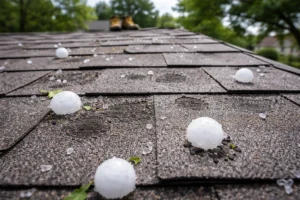
Roofs fail in ways that aren’t always obvious. Hail bruises shingles without tearing them. Wind lifts edges just enough to break seals. Flashing shifts. Underlayment weakens. These aren’t always visible from the ground or even during a quick inspection.
Insurance adjusters are trained to look for certain thresholds. Homeowners aren’t. That mismatch creates problems fast.
Here’s what usually complicates roof claims:
- Damage that isn’t immediately visible
- Disputes over wear and tear versus storm damage
- Partial approvals when full replacement is needed
- Depreciation that slashes initial payouts
- Policy exclusions buried in fine print
That’s where a public adjuster for roof claim situations becomes relevant—not when things go right, but when they start going sideways.
What Is a Public Adjuster for a Roof Claim?
A public adjuster is a licensed insurance professional who works for you, not the insurance company.
That distinction matters.
Insurance company adjusters represent the carrier’s interests. Independent adjusters are still hired by the carrier. A public adjuster represents the policyholder. Period.
When you hire a public adjuster for roof claim help, you’re bringing in someone who:
- Reviews your policy line by line
- Inspects roof damage in detail
- Prepares a full, defensible claim estimate
- Handles communication with the insurance company
- Negotiates for the maximum valid settlement
They don’t repair roofs. They don’t sell materials. Their role is strictly claim advocacy.
And yes, they must be licensed. Every state regulates public adjusters, and legitimate professionals operate under strict guidelines.
How Roof Damage Insurance Claims Actually Work
Most homeowners don’t realize how many steps sit between damage and payment. Here’s the simplified version.
The Typical Roof Claim Process
- Damage occurs
Wind, hail, falling debris, or storms cause roof damage. - Claim is filed
The homeowner notifies the insurance company. - Insurance inspection
An adjuster evaluates the roof—sometimes quickly. - Estimate is written
The carrier determines scope, pricing, and depreciation. - Settlement offer issued
Payment may be partial, depreciated, or denied.
Sounds manageable. Until it isn’t.
Key Terms That Affect Roof Claim Payouts
| Term | What It Means |
| ACV | Actual Cash Value (depreciated amount) |
| RCV | Replacement Cost Value |
| Depreciation | Value deducted based on roof age |
| Scope | What the insurer agrees is damaged |
| Exclusions | What the policy won’t cover |
A public adjuster for roof claim cases focuses heavily on scope—because scope determines everything else.
Common Roof Claim Problems Homeowners Face
This is where frustration sets in.
1. Low Settlement Offers
Insurance estimates often miss components like ridge caps, starter strips, vents, or flashing. Those omissions add up.
2. Partial Approvals
The insurer approves repairs on one slope when the entire roof system needs replacement.
3. Wear and Tear Denials
Storm damage is blamed on age—even when evidence suggests otherwise.
4. Missed Damage
Hail bruising, uplift damage, and underlayment failures are frequently overlooked.
5. Delays
Multiple inspections. Requests for more documents. Silence.
A public adjuster for roof claim disputes exists to address these exact scenarios.
What a Public Adjuster Actually Does for a Roof Claim
This isn’t guesswork. It’s a structured process.
Detailed Damage Inspection
Public adjusters inspect roofs with a claim mindset. They document:
- Shingle damage patterns
- Wind uplift points
- Soft metals and flashing impacts
- Collateral damage (gutters, vents, siding)
Policy Review
They analyze coverage, exclusions, endorsements, and code upgrade provisions.
Claim Estimate Preparation
Using industry-standard pricing software, they create a comprehensive estimate that reflects real replacement costs.
Negotiation
They communicate directly with the carrier, respond to objections, and push back—professionally.
Claim Reopening
Denied or underpaid claims can often be reopened within legal timeframes.
This is why hiring a public adjuster for roof claim representation often changes outcomes.
Signs You Need a Public Adjuster for a Roof Claim
Sometimes the need is obvious. Sometimes it creeps up on you.
Red Flags to Watch For
- Settlement offer far below contractor estimates
- Denial citing “no storm damage”
- Approval for repairs instead of replacement
- Multiple reinspections with no progress
- Conflicting explanations from the insurer
If you’re feeling stuck, you’re not imagining it. That’s often when a public adjuster for roof claim help becomes valuable.
Types of Roof Damage Public Adjusters Commonly Handle
Not all roof damage looks dramatic. Some of the most expensive claims start subtle.
Common Claim Types
- Hail damage – bruising, granule loss, soft metals
- Wind damage – lifted shingles, broken seals
- Hurricane damage – wind-driven rain, system failure
- Tree impact – punctures, structural compromise
- Hidden damage – underlayment and decking issues
Public adjusters are trained to connect these damages to covered events.
Public Adjuster vs Roofer vs Attorney
This comparison clears up confusion fast.
| Role | Primary Function | Who They Represent |
| Roofer | Repairs or replaces roof | Homeowner |
| Public Adjuster | Manages and negotiates claim | Homeowner |
| Attorney | Handles legal disputes | Homeowner |
Roofers can’t legally negotiate insurance claims. Attorneys usually come in when negotiations fail. A public adjuster for roof claim assistance fits squarely in the middle.
How Public Adjusters Get Paid
This is one of the most common questions.
Public adjusters typically work on a contingency fee, meaning:
- No upfront payment
- Fee is a percentage of the claim settlement
- Paid only if you get paid
Typical Fee Range
| Claim Size | Fee Range |
| Small claims | 10–15% |
| Large or complex claims | 5–10% |
In many cases, the increase in settlement outweighs the fee.
What the Roof Claim Timeline Looks Like With a Public Adjuster
Hiring a public adjuster doesn’t slow things down. It often speeds them up.
Typical Timeline
- Initial review and inspection
- Claim documentation and submission
- Carrier response and negotiation
- Settlement agreement
- Payment and depreciation recovery
A public adjuster for roof claim guidance keeps the process structured instead of chaotic.
How to Choose the Right Public Adjuster

Not all adjusters are equal.
What to Look For
- Active state license
- Roof-specific claim experience
- Clear fee structure
- Transparent communication
- Strong documentation practices
Warning Signs
- Guaranteed outcomes
- Pressure tactics
- No written contract
- Poor online presence
A good public adjuster for roof claim representation educates you, not pressures you.
What Public Adjusters Can—and Can’t—Do
Let’s set expectations.
They Can:
- Maximize valid claim value
- Negotiate scope and pricing
- Handle insurer communication
They Can’t:
- Create damage that doesn’t exist
- Override policy exclusions
- Force payment outside coverage
Their power comes from accuracy and persistence—not shortcuts.
Deadlines and Laws That Affect Roof Claims
Timing matters more than most homeowners realize.
Key considerations include:
- Reporting deadlines
- Statutes of limitation
- Reopening windows for denied claims
- Local building code requirements
A public adjuster for roof claim situations understands these deadlines and works within them.
Is a Public Adjuster Worth It for a Roof Claim?
The answer depends on the situation—but patterns are clear.
When It Often Makes Sense
- High-value roof systems
- Significant hail or wind events
- Denials or partial approvals
- Large gaps between estimates
When It Might Not
- Very small claims
- Straightforward, fully approved replacements
Still, many homeowners value the peace of mind alone.
I’ve seen people sleep better once someone else takes over the fight.
Frequently Asked Questions
A public adjuster evaluates roof damage, prepares the claim, and negotiates with the insurance company on the homeowner’s behalf.
You should consider hiring one if your claim is denied, underpaid, delayed, or if the damage is extensive or complex.
Yes, a public adjuster can often reopen and challenge denied roof claims if deadlines and policy terms allow.
They may review roofer estimates for accuracy, but they do not perform repairs or sell roofing services.
Most work on a contingency fee, meaning they receive a percentage of the settlement only if you get paid.
In most cases, it actually speeds up the process by improving documentation and communication with the insurer.
Public adjusters are legal in most states, but licensing rules and fee limits vary by location.
Often yes, especially if additional damage or underpayment is discovered within the allowed timeframe.
No guarantees are allowed, but many homeowners see improved outcomes due to better claim presentation.
They are most valuable for large, complex, or disputed roof claims where settlements fall short.
Final Thoughts: Protecting Your Roof and Your Settlement
Roof claims aren’t just about shingles.They’re about leverage.
Insurance companies handle thousands of claims. Homeowners usually handle one. That imbalance explains why so many settlements fall short. A public adjuster for roof claim representation doesn’t guarantee a win—but it dramatically improves your position.
If your roof claim feels confusing, stalled, or unfair, that’s not a failure on your part. It’s a sign the system is doing what it often does best—protecting itself.
The good news? You don’t have to navigate it alone.
And sometimes, bringing in the right professional is the difference between accepting what’s offered and actually getting what your policy promises.