
Cigarette smoke has a way of overstaying its welcome. You air the room out. You spray something that smells vaguely like linen. And you come back an hour later—and there it is again. That stale, sharp odor clinging to the air, the walls, and everything in between. If you’re searching for how to remove cigarette smell from room instantly, you’re not alone. I’ve seen this problem show up in rental units, owner-occupied homes, commercial spaces, and even properties mid-claim inspection. Speed matters. But doing it right matters more.
Let’s get into what actually works. Fast. Practical. No fluff.
Why Cigarette Smell Is So Hard to Remove
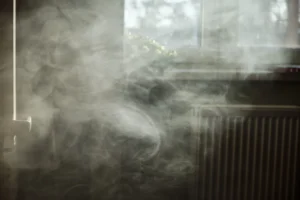
Cigarette smoke isn’t just a smell floating around waiting to be chased out the window. It’s microscopic residue. Nicotine, tar, and other particles settle into porous surfaces—walls, ceilings, carpets, upholstery, even dust. This is why the odor often comes back after you think you’ve solved it.
Smoke odor also changes over time. Fresh smoke smells sharp. Old smoke smells dull, sour, and heavier. That’s what people often call “stale smoke,” and it’s harder to eliminate.
From an insurance and property perspective, this matters. Persistent smoke odor can affect habitability, rental value, and even claim outcomes if smoke damage is part of a loss. But before we talk claims, let’s focus on immediate relief.
The First 10 Minutes: What to Do Immediately
If your goal is how to remove cigarette smell from room instantly, the first few minutes are critical. This is where you get the biggest return for the least effort.
1. Ventilation That Actually Works
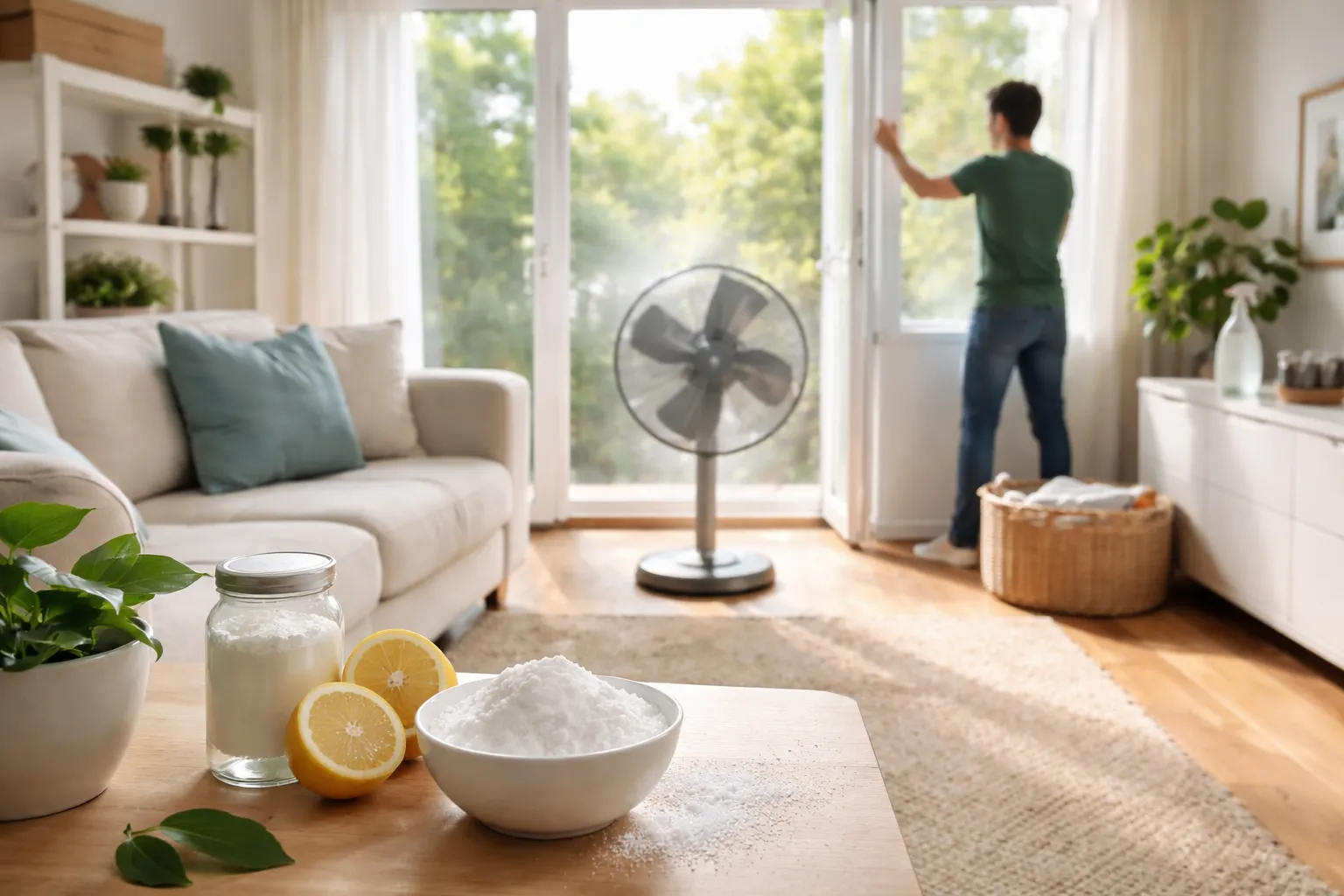
Cracking a window helps, but cross-ventilation helps more.
Do this instead:
- Open two windows on opposite sides of the room or home
- Place a fan facing out of one window to push contaminated air out
- If available, turn on bathroom or kitchen exhaust fans nearby
This creates airflow that removes odor rather than redistributing it.
2. Remove the Source—Completely
This sounds obvious, but it’s often skipped.
Immediately remove:
- Ashtrays and cigarette butts
- Trash bags containing smoking waste
- Jackets, blankets, pillows, or curtains used during smoking
Smoke odor concentrates around these items. Leaving them in the room undermines everything else.
Instant Odor Neutralizers That Actually Work
Let’s be clear. Air fresheners don’t remove cigarette smell. They layer perfume on top of it. That might work for a few minutes, but it always fails long-term.
Here’s what works now.
Baking Soda: Simple and Shockingly Effective
Baking soda absorbs odor instead of masking it.
How to use it fast:
- Place several shallow bowls around the room
- Sprinkle a light layer on carpets or rugs if applicable
- Leave it undisturbed for at least 30 minutes (longer is better)
You’ll often notice a real difference within the first hour.
White Vinegar: Fast Air Neutralization
Vinegar smells strong at first. That’s normal. It dissipates quickly—and takes smoke odor with it.
Best methods:
- Place bowls of white vinegar in the room
- For hard surfaces, lightly wipe walls or tables with a vinegar-water mix
Vinegar works because it neutralizes alkaline smoke particles rather than covering them up.
Activated Charcoal
Activated charcoal is a favorite in professional remediation for a reason. It absorbs odor aggressively.
Use charcoal when:
- You need fast results without strong scents
- You’re preparing for an inspection or showing
- You want continuous odor reduction over hours or days
Place charcoal bags near airflow points and corners of the room.
Rapid Cleaning That Makes a Real Difference
Once the air improves, surfaces become the next priority. Smoke residue lives there.
Walls and Ceilings: The Silent Culprit
Walls hold more smoke odor than most people realize.
Quick approach:
- Use a microfiber cloth slightly dampened with warm water and mild detergent
- Wipe from top to bottom
- Focus on areas near ceilings and corners
If yellowing is visible, odor is embedded deeper and may require sealing or repainting later. But even a light wipe can reduce odor noticeably.
Floors and Carpets
Carpet acts like a sponge for smoke.
Fast method:
- Sprinkle baking soda generously
- Let it sit for 30–60 minutes
- Vacuum slowly and thoroughly
Steam cleaning accelerates results, but don’t rush it if documentation is needed for insurance purposes.
Upholstery and Soft Furniture
Fabric holds odor stubbornly.
Options:
- Use enzyme-based odor sprays
- Place baking soda under cushions temporarily
- If odor persists, professional treatment may be the only true fix
HVAC: The Odor You Can’t See
If smoke smell keeps returning, your HVAC system may be circulating it.
Quick steps:
- Replace the air filter immediately
- Wipe visible vent covers
- Run the system with windows open briefly to flush residual odor
In insurance-related smoke losses, HVAC contamination is often overlooked—and underpaid. Keep that in mind before declaring the problem solved.
What Not to Do (This Matters)
Some actions make smoke odor worse, not better.
Avoid these:
- Overusing scented sprays or candles
- Painting without cleaning or sealing first
- Using ozone machines without professional guidance
- Ignoring soft surfaces like curtains and rugs
Ozone, in particular, can create health concerns and may complicate insurance claims if used improperly.
How “Instant” Is Instant, Really?
Let’s be realistic. How to remove cigarette smell from room instantly doesn’t always mean permanent elimination in one hour. It means immediate improvement.
Here’s a realistic breakdown:
| Situation | Immediate Improvement | Full Resolution |
| Light, recent smoking | 30–60 minutes | Same day |
| Heavy smoking session | 1–3 hours | 1–3 days |
| Long-term smoker room | Partial relief | Professional remediation |
Instant steps buy comfort and time. Deep remediation solves the root problem.
Cigarette Smoke and Property Damage: Where Insurance Comes In
Smoke odor isn’t always just a nuisance. In many cases, it’s considered damage.
When Smoke Odor Becomes a Claim Issue
Smoke odor may qualify as property damage when:
- It affects habitability
- It results from a covered event (fire, tenant damage, intrusion)
- Professional remediation is required
Insurers often downplay odor because it’s invisible. Documentation is key.
What Adjusters Look For
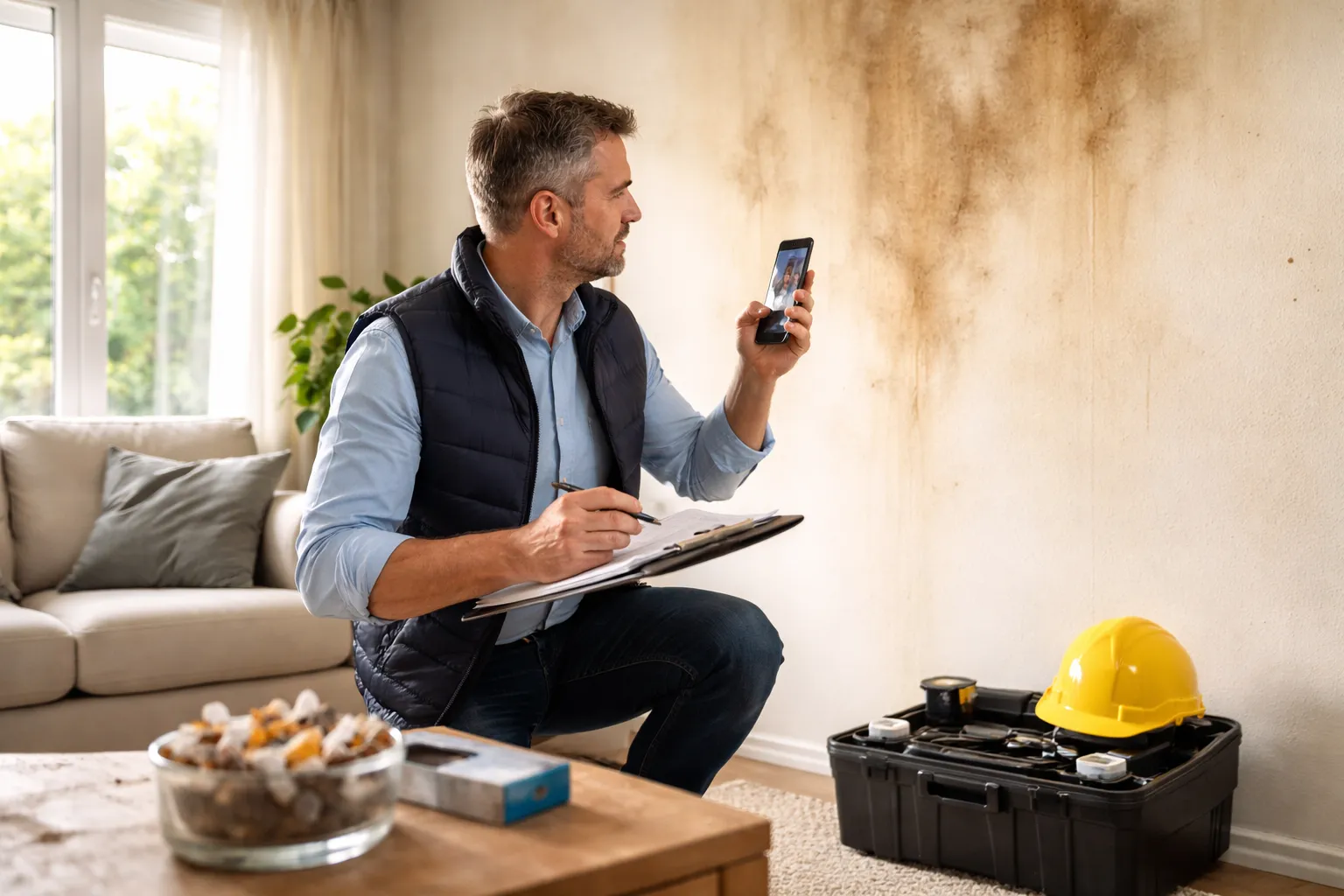
During inspections, adjusters note:
- Persistent odor during walkthroughs
- Visible staining or residue
- HVAC contamination
- Scope of cleaning required
This is why timing matters. Removing all evidence before documentation can weaken a claim.
Document Before You Deep Clean
If smoke odor is tied to a potential insurance claim, pause before aggressive remediation.
Document first:
- Photos of affected rooms
- Notes on odor intensity and location
- Receipts for cleaning attempts
- Professional assessments if available
This protects your position and helps justify proper remediation costs.
When DIY Isn’t Enough
Sometimes, no amount of baking soda will cut it.
You may need professional odor remediation if:
- Odor returns within hours
- Walls or ceilings are stained
- HVAC continues to spread smell
- Health concerns arise
Professional methods include thermal fogging, sealing, and deep cleaning—often covered when properly documented.
Where a Public Adjuster Fits In
From a public adjusting standpoint, smoke odor is frequently undervalued or dismissed.
A public adjuster helps:
- Identify all odor-affected materials
- Ensure remediation scope is complete
- Prevent underpayment for “cosmetic” damage
- Coordinate documentation before cleanup
The goal isn’t to delay relief. It’s to make sure fast fixes don’t cost you later.
Preventing Cigarette Smell From Coming Back
Once the room smells clean, keep it that way.
Smart prevention steps:
- Use washable covers on furniture
- Seal walls after heavy smoke exposure
- Maintain HVAC filters
- Establish clear smoking policies indoors
Prevention is cheaper than remediation. Always.
Final Thoughts
If you’re dealing with smoke odor right now, I get it. It’s frustrating. It feels stubborn. And it often shows up at the worst possible time—before a showing, an inspection, or a move.
The good news? How to remove cigarette smell from room instantly isn’t a mystery. Ventilate correctly. Neutralize, don’t mask. Clean the right surfaces. Be smart about timing if insurance is involved.
Quick relief is possible. Permanent resolution is achievable. And with the right approach, you don’t have to choose one over the other.
That’s how you clear the air—literally and financially.
FAQs
The fastest method combines cross-ventilation with odor absorbers like baking soda, vinegar, or activated charcoal to neutralize smoke particles instead of masking them.
Airing out a room reduces odor temporarily, but smoke particles embedded in walls, fabrics, and carpets often cause the smell to return.
Air fresheners only cover the smell and do not remove smoke residue, which is why the odor usually comes back once the scent fades.
Light smoke odor can improve within an hour, while heavy or long-term smoke exposure may take several days or professional remediation.
Smoke particles settle into porous materials like drywall, carpet, and upholstery, releasing odor again when humidity or airflow changes.
Yes, baking soda absorbs odor molecules effectively and works best when left on carpets or placed in open bowls around the room.
White vinegar is safe when used properly and neutralizes smoke odor quickly, with its own scent dissipating shortly afterward.
Persistent smoke odor may qualify as property damage when it affects habitability or requires professional remediation, especially in insurance claims.
Document the odor first, since fully removing it before inspection may reduce evidence needed to support a smoke damage claim.