

Property damage in Montgomery can become complicated quickly. A severe thunderstorm can damage a roof in Bentwater, wind-driven rain can enter a home near Lake Conroe, a plumbing failure can affect flooring and cabinetry in Woodforest, or a commercial property near historic Downtown Montgomery can suffer fire, water, or storm damage. Once the loss is reported, the insurance claim becomes a second problem: documenting everything correctly and making sure the carrier’s estimate reflects the actual scope of damage.
TX Public Adjusting provides Public Adjuster Montgomery, TX services for homeowners, business owners, property managers, and commercial policyholders who need independent help with a property insurance claim. We represent the policyholder—not the insurance company—and assist with inspections, documentation, estimate reviews, claim preparation, and negotiations.
TX Public Adjusting operates through Rise Public Adjusting LLC, Texas License #3356839. Our team has experience reviewing thousands of residential and commercial property claims across Texas.
If your Montgomery insurance claim was underpaid, partially denied, delayed, or simply seems incomplete, request a Free Claim Review before accepting the carrier’s position. There is no upfront fee just to have us review your claim and explain your options.
Licensed Texas Public Adjuster • Residential & Commercial Claims • Free Claim Review
Why Property Owners Hire a Public Adjuster in Montgomery
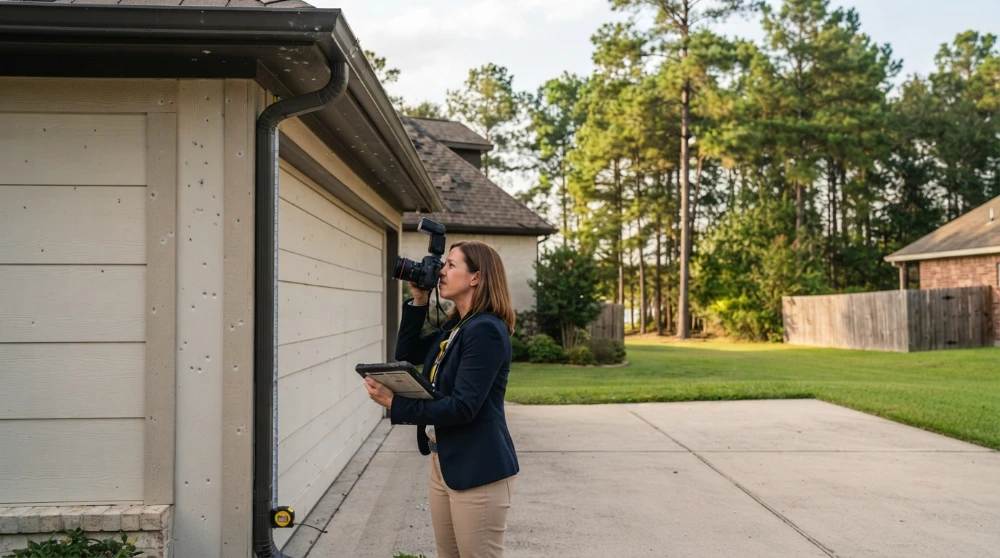
Montgomery sits in western Montgomery County, close to Lake Conroe and within a part of Southeast Texas that can experience severe thunderstorms, hail, damaging wind, heavy rainfall, tropical weather, lightning, and occasional tornado activity. The local property mix also makes claims especially varied. Montgomery includes historic properties, newer subdivisions, acreage homes, golf-course communities, waterfront residences, retail buildings, restaurants, offices, churches, and other commercial properties.
Lake-oriented communities such as Bentwater include waterfront and golf-course homes, while Woodforest is a large master-planned community south of Montgomery. Those different building types, roof systems, exterior finishes, detached structures, and interior features can substantially change the scope of an insurance loss.
An insurance company will usually assign its own adjuster to inspect the property. That adjuster works within the carrier’s claims process. A public insurance adjuster in Montgomery is retained by the policyholder and works to document and present the policyholder’s claim. If you are unfamiliar with the process, learn more about what a public adjuster does and how that role differs from the insurance company’s adjuster.
Property owners commonly contact TX Public Adjusting when:
- The insurance estimate appears too low.
- Roof or exterior damage was omitted.
- Interior water damage developed after the original inspection.
- A carrier approved a repair when broader replacement may be necessary.
- Depreciation or pricing significantly reduced the payment.
- The claim involves several buildings or structures.
- A commercial loss involves inventory, equipment, tenant areas, or business operations.
- Supplemental damage was discovered during repairs.
- The claim was partially denied or denied entirely.
- The owner does not have the time or experience to manage repeated carrier requests.
Our job is not to create damage that does not exist. It is to identify, document, organize, and present covered damage accurately so the claim receives a thorough review under the policy.
Get a Free Montgomery Claim Review
Already have an insurance estimate? Send it to TX Public Adjusting along with your photos, claim documents, or denial letter. We can review the information and help you identify areas that may deserve a closer look.
Property Damage Risks in Montgomery, Texas
Montgomery’s location creates a different claim profile from cities farther north or west in Texas. Hail remains a significant concern, but Gulf-influenced weather, prolonged rainfall, tropical systems, and strong thunderstorms add additional wind and water exposure.
Properties around Montgomery County may face tornadoes, hail, high winds, and flash flooding. Lake Conroe also gives the Montgomery area a strong waterfront identity, with communities and commercial destinations concentrated around the lake.
That combination makes it especially important to distinguish between different causes of damage. A roof leak, for example, may result from wind-created openings, damaged flashing, hail impacts, deteriorated materials, or another cause. Those distinctions can matter during the insurance adjustment.
Severe Thunderstorms and Wind Damage
Strong thunderstorms are common throughout Southeast Texas. A single storm may bring straight-line winds, hail, lightning, intense rainfall, and falling tree limbs.
Wind-related property damage can include:
- Missing or creased shingles
- Lifted roofing materials
- Damaged ridge caps
- Bent or detached flashing
- Siding damage
- Broken fencing
- Damaged gutters and downspouts
- Window or door damage
- Tree impact
- Detached structures damaged by debris
- Water entering through storm-created openings
The visible roof damage may be only part of the loss. Water can travel through attic spaces and affect insulation, ceilings, wall cavities, flooring, trim, cabinetry, and electrical components.
Hail Damage Claims
Hailstorms can affect Montgomery properties differently depending on roof type, age, exposure, and the size and direction of the hail.
An effective hail inspection may involve more than looking for obvious holes or broken shingles. Damage can affect:
- Asphalt shingles
- Metal roofing
- Tile roofing
- Roof vents
- Flashing
- Gutters
- Downspouts
- Window screens
- Garage doors
- Exterior siding
- HVAC fins
- Fences
- Outdoor structures
Commercial roofing systems may also require a different inspection approach than a standard residential roof.
If a carrier inspected your roof after a Montgomery hailstorm but the estimate addresses only a few shingles or minor repairs, we can review the scope and available documentation to determine whether other storm-related damage may have been missed.
Property owners dealing with storm-related roofing damage can also review our guide to a hail damage roof insurance claim in Texas, including documentation, inspection, and claim issues that commonly arise after a hailstorm.
Common Insurance Claims in Montgomery
TX Public Adjusting assists Montgomery property owners with a wide range of covered residential and commercial losses.
Hail Damage Claims
Hail claims frequently become disputed because impact damage is not always obvious from ground level. Damage to shingles, soft metals, vents, flashing, siding, gutters, HVAC equipment, and other components may need to be documented individually.
Another issue is scope. An estimate may acknowledge one damaged component but omit associated work required to complete repairs properly.
We evaluate the carrier’s inspection and estimate against the actual condition of the property and document discrepancies when they exist.
Water Damage Claims
Water losses can spread far beyond the location where the problem first appears.
Common causes include:
- Burst plumbing lines
- Appliance supply-line failures
- Water-heater failures
- Plumbing leaks
- HVAC condensate problems
- Roof leaks
- Wind-driven rain
- Overflow events
- Storm-created openings
A water stain on a ceiling may represent only the most visible part of the damage. Moisture can migrate behind drywall, underneath flooring, into insulation, behind cabinets, and through adjoining rooms.
Coverage also depends heavily on the cause and circumstances of the loss. Our role is to document the property damage and organize the claim evidence while reviewing how the carrier scoped the covered portions of the loss.
If water has spread beyond the initially visible area, our water damage public adjuster guide explains how these claims are inspected, documented, and reviewed when the carrier’s scope may be incomplete.
Fire and Smoke Damage Claims
A fire claim can involve much more than the area touched by flames.
Fire and smoke losses may include:
- Structural damage
- Smoke migration
- Soot contamination
- Damaged contents
- Electrical damage
- HVAC contamination
- Demolition
- Cleaning
- Odor remediation
- Temporary repairs
- Additional living expenses
- Code-related repairs when applicable
Even a relatively localized fire can send smoke and soot into rooms far from the original source. For larger or disputed losses, a fire insurance adjuster working for the policyholder can help document structural damage, smoke contamination, contents, cleaning requirements, and other covered components of the loss.
Montgomery also includes wooded and semi-rural areas, so structure fires and fire-related property losses can create complicated debris, contents, and restoration claims.
Storm Damage Claims
Montgomery storm claims can involve several causes of loss occurring during the same weather event.
A severe storm might produce:
- Hail impact
- Wind damage
- Fallen trees
- Roof openings
- Interior rainwater intrusion
- Broken windows
- Detached fence sections
- Damaged outbuildings
- Electrical or lightning-related damage
The claim should clearly distinguish each damaged component and the repairs associated with it.
Roof Damage Claims
Roof claims are among the most common reasons property owners contact a public adjuster in Montgomery.
Insurance disagreements may involve:
- Whether damage resulted from wind or wear
- Whether hail impacts are functional or cosmetic
- Repair versus replacement
- Matching issues
- Roofing accessories omitted from the scope
- Flashing and ventilation
- Underlayment
- Steep or high roofing charges
- Commercial roof components
- Interior damage caused by roof openings
Roof claims can become especially difficult when the carrier recognizes some storm damage but disputes the extent of repairs. Our guide to hiring a public adjuster for a roof claim explains how estimate reviews, documentation, missed components, and supplemental claims may be handled. The roofing system should be evaluated as a system, not simply as a handful of isolated shingles.
Commercial Property Claims
Commercial insurance claims often involve more documentation than residential losses because damage may affect both the building and business operations.
As a commercial public adjuster serving Texas property owners, TX Public Adjusting assists Montgomery County businesses and commercial policyholders with claims involving:
- Retail centers
- Restaurants
- Office buildings
- Medical offices
- Warehouses
- Churches
- Apartment and multifamily properties
- Hospitality properties
- Storage facilities
- Mixed-use buildings
- Commercial roofing systems
- Business personal property
Commercial claims may involve building damage, inventory, equipment, tenant improvements, mitigation expenses, temporary repairs, and potentially business-income considerations depending on the policy and circumstances.
Montgomery Neighborhoods and Communities We Serve
Montgomery is more than the historic town center. The broader Montgomery area includes established lake communities, golf communities, acreage neighborhoods, and newer master-planned developments.
We assist property owners throughout areas including:
Bentwater
Bentwater occupies a prominent position on Lake Conroe and includes golf-course and waterfront properties. The community covers approximately 1,400 acres and stretches along miles of Lake Conroe shoreline.
Homes in communities like Bentwater may include custom roofing, stone or stucco exteriors, large window systems, detached garages, outdoor kitchens, docks, and other improvements that can make storm claims more detailed than a standard suburban property loss.
Walden on Lake Conroe
Walden is one of the Montgomery area’s recognizable lake-oriented communities. Waterfront exposure means wind, rain, roof damage, exterior damage, and moisture intrusion can require careful documentation after major weather events.
Grand Harbor
Grand Harbor is another gated Lake Conroe-area community with waterfront properties and larger residential lots. Custom construction and detached improvements can increase the number of components that need to be evaluated after a storm.
Woodforest
Woodforest is a roughly 3,000-acre master-planned community south of Montgomery, positioned between the Montgomery area and The Woodlands.
Newer construction does not eliminate claim problems. Hail, high wind, roof leaks, plumbing failures, water losses, and fire damage can affect recently built homes just as they do older properties.
Historic Downtown Montgomery
Historic Downtown Montgomery has a different property profile from newer master-planned communities. Older buildings and homes can involve materials, construction methods, finish details, and repair requirements that may not fit neatly into a basic insurance estimate.
The area also contains some of Montgomery’s best-known historic identity and architecture.
Lake Conroe Area
Lake Conroe is one of the defining landmarks of Montgomery and western Montgomery County. Waterfront residences, marinas, commercial properties, restaurants, and recreational facilities create a diverse range of insured properties around the lake.
Waterfront location does not mean every water loss is a flood claim. Wind-driven rain, roof openings, plumbing failures, and other sources of water damage need to be identified correctly because policy treatment may depend on the cause of loss.
Why Insurance Claims Become Underpaid
Most underpaid claims are not caused by one dramatic mistake. More often, several smaller omissions combine to create a settlement that does not reflect the actual repair scope.
Missed Damage
A carrier inspection may occur quickly, especially after a major storm when adjusters are handling large claim volumes.
Damage may be overlooked on:
- Secondary roof slopes
- Flashing
- Gutters
- Fencing
- Detached garages
- Attic areas
- Interior rooms
- Exterior elevations
- HVAC systems
- Commercial rooftop equipment
One missed item can lead to several related repair items being omitted as well.
Scope Omissions
Sometimes the carrier recognizes the damaged material but does not include everything necessary to complete the repair.
A roof estimate might include shingles but omit:
- Underlayment
- Starter material
- Drip edge
- Flashing
- Ventilation components
- Detachment and reset work
- Steep or high charges where appropriate
- Interior protection
- Associated exterior repairs
Interior estimates can have similar omissions involving paint, texture, trim, flooring transitions, cabinetry, or access work.
Depreciation Issues
Depreciation can significantly affect an initial insurance payment. Depending on the policy, portions may be recoverable after repairs are completed and properly documented.
Policyholders sometimes mistake an initial actual-cash-value payment for the total amount available under the claim.
We review how depreciation was applied and whether the carrier estimate accurately reflects the damaged property before depreciation is calculated.
Low Estimates
Pricing disagreements can arise over labor, materials, quantities, waste factors, access, specialty trades, or the actual work required.
A low total does not automatically mean the carrier handled the claim incorrectly. But a large gap between realistic repair requirements and the carrier’s estimate deserves careful review.
Documentation Problems
Insurance claims depend heavily on documentation.
Missing photographs, incomplete estimates, poorly organized invoices, limited moisture records, or unclear proof of damage can make negotiation more difficult.
A central part of our work is turning the loss into an organized claim package supported by photographs, measurements, estimates, reports, and other relevant records.
Our Public Adjusting Process
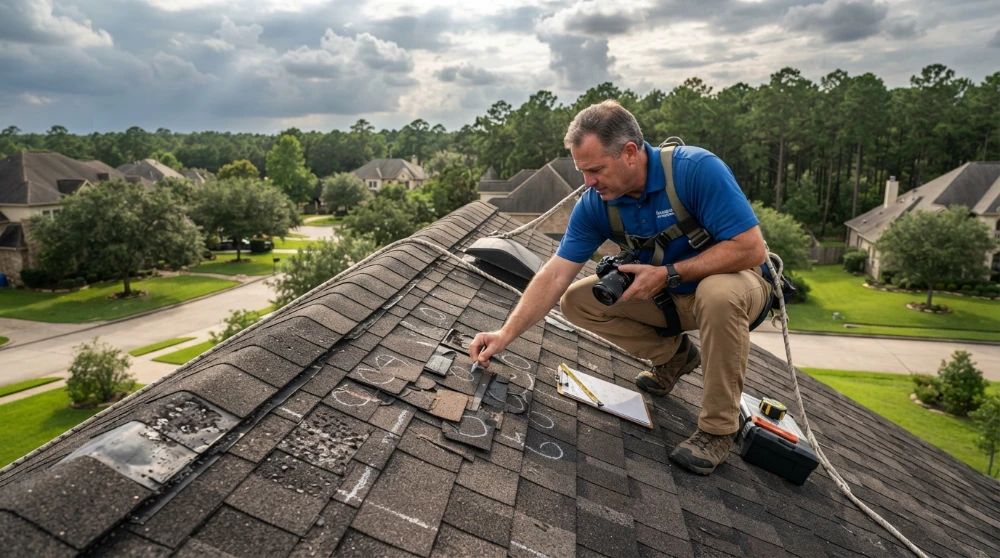
No two Montgomery property claims are identical, but our process follows a consistent framework.
Step 1: Claim Review
We begin by reviewing what has already happened.
That may include:
- The insurance policy
- Carrier estimates
- Claim correspondence
- Payment documents
- Denial letters
- Photographs
- Contractor estimates
- Engineering or inspection reports
- Mitigation invoices
We look for inconsistencies, missing scope, unanswered questions, and opportunities for additional documentation.
Step 2: Property Inspection
Next, we inspect the damaged property.
Depending on the type of loss, this can include:
- Roofing
- Exterior elevations
- Interior finishes
- Attic areas
- Flooring
- Cabinetry
- Structural components
- Moisture-affected areas
- Detached structures
- Commercial equipment
- Contents
The goal is to build an accurate picture of the loss rather than rely solely on the original carrier inspection.
Step 3: Documentation and Estimating
We organize the evidence necessary to support the claim.
That may include:
- Photographs
- Measurements
- Damage inventories
- Repair estimates
- Contractor information
- Mitigation documentation
- Contents records
- Supporting reports
Good documentation gives both sides a clear basis for discussing the claim.
Step 4: Claim Presentation and Negotiation
TX Public Adjusting communicates with the insurance carrier regarding documented differences in scope, quantity, pricing, or damage.
We may address:
- Missing components
- Supplemental damage
- Estimate discrepancies
- Additional documentation
- Repair requirements
- Carrier questions
Our role is to advocate for the policyholder while keeping the discussion tied to the actual damage and insurance policy.
Step 5: Settlement and Claim Resolution
We continue working through the adjustment process as the insurer reviews the documentation and responds.
Every claim is different, so no public adjuster can guarantee a particular settlement amount. Our focus is making sure your Montgomery property claim is documented thoroughly and presented professionally.
Why Choose TX Public Adjusting in Montgomery
Hiring someone to represent you in an insurance claim requires trust. Property owners should know who is handling the claim, whose interests they represent, and whether they are properly licensed.
Licensed Texas Public Adjuster
TX Public Adjusting operates through Rise Public Adjusting LLC, Texas License #3356839.
We represent policyholders in property insurance claims throughout Texas.
We Represent Property Owners
Insurance companies have adjusters working within their claims organization.
Public adjusters represent policyholders. Understanding the difference between a public adjuster vs. independent adjuster can help property owners understand who each professional represents during an insurance claim.
That distinction is central to what we do. Our responsibility is to evaluate and present the property owner’s claim—not protect the insurance company’s financial interests.
Texas-Focused Claim Experience
Texas property claims have their own recurring patterns:
- Hail
- Severe thunderstorms
- Wind
- Tropical weather
- Hurricanes
- Water intrusion
- Freeze losses
- Fire
- Commercial property damage
Our team has experience reviewing thousands of residential and commercial claim files.
The TX Public Adjusting website reports approximately 1,400 annual claim files reviewed based on firm volume.
Residential and Commercial Experience
We assist both homeowners and business owners.
That matters in Montgomery because the area includes everything from historic homes and waterfront residences to master-planned subdivisions, restaurants, offices, retail buildings, churches, and commercial properties around Lake Conroe.
Independent Claim Evaluation
We independently review the loss rather than simply accepting the carrier estimate as the final answer.
If the original estimate is accurate, the documentation should support it. If something is missing, the claim deserves a closer review.
Need Help With an Underpaid Montgomery Insurance Claim?
You do not have to wait until the claim becomes a major dispute before asking for a second opinion.
If you have already received a carrier estimate, denial letter, or payment, contact TX Public Adjusting for a Free Claim Review. We can review the available information and explain whether additional documentation or professional representation may make sense.
No upfront fee for the initial claim review.
Areas We Serve Near Montgomery
TX Public Adjusting assists policyholders throughout Montgomery County and surrounding parts of the Greater Houston region, including:
- Conroe
- The Woodlands
- Magnolia
- Willis
- Shenandoah
- Oak Ridge North
- Pinehurst
- Stagecoach
- Lake Conroe communities
- Woodforest
- Bentwater
- Walden
- Grand Harbor
- New Waverly
- Tomball
- Spring
We also provide Public Adjuster The Woodlands services for property owners farther south in Montgomery County dealing with hail, roof, water, fire, and storm claims.
Whether your property is near historic Downtown Montgomery, along the Lake Conroe shoreline, inside Bentwater, in Walden, or farther south toward Woodforest, our team can review residential and commercial property claims throughout the area.
Frequently Asked Questions
Do I need a public adjuster in Montgomery if my insurance company already sent an adjuster?
You can still hire a public adjuster even though the insurance company has assigned someone to your claim. The two adjusters have different roles. The carrier’s adjuster handles the claim for the insurance company, while a public adjuster is retained by the policyholder.
Montgomery property owners often seek independent help after receiving an estimate that seems incomplete, but you can also involve a public adjuster earlier in a significant claim when documentation and scope are likely to be complicated.
What types of Montgomery insurance claims can TX Public Adjusting help with?
We assist with residential and commercial property claims involving hail, wind, roof damage, water damage, fire and smoke, storms, tropical weather, and other covered property losses.
We also review underpaid, delayed, partially denied, and disputed claims. The first step is reviewing the policy, damage, and carrier documents to understand what has already been adjusted.
Can you help with hail damage around Lake Conroe?
Yes. Hail claims are common throughout this part of Texas and may involve roofing, gutters, vents, flashing, siding, windows, fencing, HVAC equipment, and other exterior components.
Lake-area homes can also have customized roofing and exterior features that require more detailed documentation than a basic inspection. We can review what the carrier included and compare it with the actual observed damage.
What if my Montgomery roof claim only paid for repairs?
A repair estimate may be reasonable in some claims and inadequate in others. The answer depends on the actual damage, roofing system, repairability, policy terms, and scope required.
We review the damaged roof and carrier estimate to determine whether additional storm-related components or associated repairs appear to have been omitted.
Can a public adjuster help after my insurance company has already paid the claim?
Potentially. Receiving an initial payment does not always mean every issue in a claim has been resolved.
Additional damage may be discovered during repairs, an estimate may contain omissions, or a policy may allow supplemental documentation. Timing and policy requirements matter, so it is better to have the claim reviewed before assuming nothing else can be done.
You can also read our guide on when it is too late to hire a public adjuster. The sitemap confirms this supporting resource is already part of the TX Public Adjusting site.
How can a public adjuster help with a Montgomery water damage claim?
We can document the affected areas, review the source of the loss, compare the carrier scope with the actual damage, and organize supporting documentation.
Water often travels beneath flooring, behind cabinetry, inside wall assemblies, or into adjacent rooms. A proper review looks beyond the first visible stain while still distinguishing covered water damage from excluded causes.
Can you help Montgomery businesses with commercial property claims?
Yes. We assist commercial policyholders with storm, hail, roof, water, fire, and other covered property losses.
Commercial claims can involve multiple buildings, roofing systems, inventory, equipment, tenant improvements, emergency mitigation, and operational losses. Detailed documentation becomes especially important when the property contains several damaged components or stakeholders.
How much does a public adjuster cost in Montgomery, Texas?
Public adjusters generally charge according to the written agreement governing the claim representation. The applicable fee and terms should be clearly explained before you hire anyone.
TX Public Adjusting offers a free initial claim review so you can first understand whether professional representation appears appropriate. You will know the applicable engagement terms before deciding whether to proceed.
Should I hire a public adjuster before filing my Montgomery claim or after receiving an estimate?
Either can be appropriate depending on the loss. For a large or complex property claim, getting professional guidance early can help with documentation and organization.
Many clients contact us after the insurer has already inspected the property because they believe damage was missed or the settlement is too low. The best time to ask for help is generally before deadlines expire or important evidence disappears during repairs.
Why do Montgomery storm claims become disputed?
Storm claims often involve several causes of damage at once. Wind, hail, rainwater intrusion, falling limbs, and roof damage can all occur during a single weather event.
Disputes may arise over the cause of damage, repair versus replacement, pre-existing conditions, pricing, omitted items, or interior damage that did not become visible until later. Thorough documentation helps keep those issues tied to evidence rather than assumptions.
Get a Free Claim Review in Montgomery, TX
If your home, rental property, commercial building, or other insured property in Montgomery has suffered damage, you deserve to understand whether the insurance estimate reflects the full documented loss.
TX Public Adjusting represents policyholders throughout Montgomery and Montgomery County. We help organize complicated property claims, inspect damage, review estimates, prepare supporting documentation, communicate with carriers, and negotiate covered property losses.
TX Public Adjusting
Rise Public Adjusting LLC
Texas License #3356839
Contact TX Public Adjusting to request your Free Claim Review today. There is no upfront fee for us to evaluate the claim and explain your options.
Do not assume the insurance company’s first estimate is the last word on your Montgomery property damage claim.