
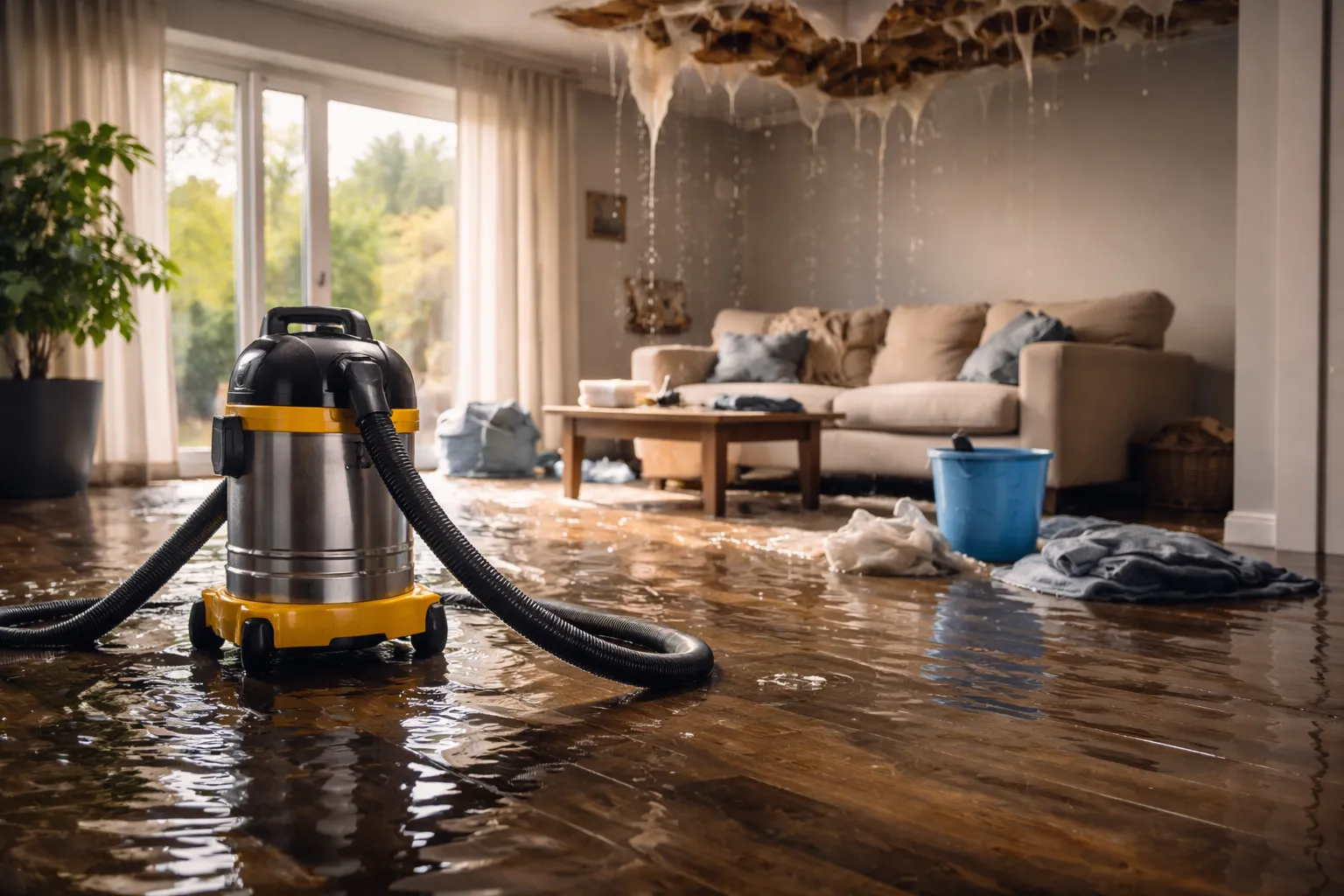
Water damage never arrives politely. It floods in during a storm, seeps out from behind a wall, or drips quietly until the damage is already done. I’ve seen homeowners go from calm to overwhelmed in hours. Floors buckle. Cabinets swell. Ceilings stain. And suddenly, you’re not just dealing with repairs—you’re dealing with your insurance company.
This is where a water damage public adjuster enters the picture. And yes, you need to understand what that really means before you sign anything or accept any settlement.
Let’s break it down clearly, practically, and without fluff.
Why Water Damage Claims Are So Hard to Get Right
Water damage claims sound straightforward. Something leaked. Something broke. Insurance should cover it.
In reality? Not so simple.
Water damage is one of the most disputed claim categories in property insurance. Why? Because it’s rarely visible all at once. Moisture hides. Damage spreads. And insurers often move fast—sometimes too fast—to close claims before the full picture emerges.
I’ve watched homeowners accept a settlement, only to discover mold behind drywall weeks later. Or structural damage under flooring that wasn’t included. Once you accept and cash that check, leverage disappears.
That’s why the role of a water damage public adjuster matters more than most people realize.
What Is a Water Damage Public Adjuster?
A water damage public adjuster is a licensed professional who represents you, not the insurance company, during a water damage claim.
That distinction matters.
Insurance adjusters work for insurers. Contractors work to repair damage. Public adjusters work to maximize the accuracy and fairness of your claim payout.
Here’s the simplest comparison:
| Role | Who They Represent | Primary Goal |
| Insurance Adjuster | Insurance company | Control claim cost |
| Contractor | Property owner | Repair damage |
| Water Damage Public Adjuster | You | Maximize claim settlement |
A public adjuster doesn’t repair anything. They document. Evaluate. Negotiate. And they understand insurance policy language in a way most homeowners never have time to learn.
How Water Damage Complicates Insurance Claims
Water is deceptive. It doesn’t stay where it starts.
Common water damage sources include:
- Burst or frozen pipes
- Appliance failures
- Roof leaks
- HVAC condensation
- Overflowing tubs or toilets
- Storm-driven rain intrusion
Each one creates secondary damage, which insurers often downplay or exclude unless properly documented.
Hidden water damage may include:
- Saturated insulation
- Warped subflooring
- Electrical risk
- Mold growth
- Structural weakening
Without expert documentation, these issues may never appear in your claim file.
This is exactly where a water damage public adjuster earns their keep.
What a Water Damage Public Adjuster Actually Does
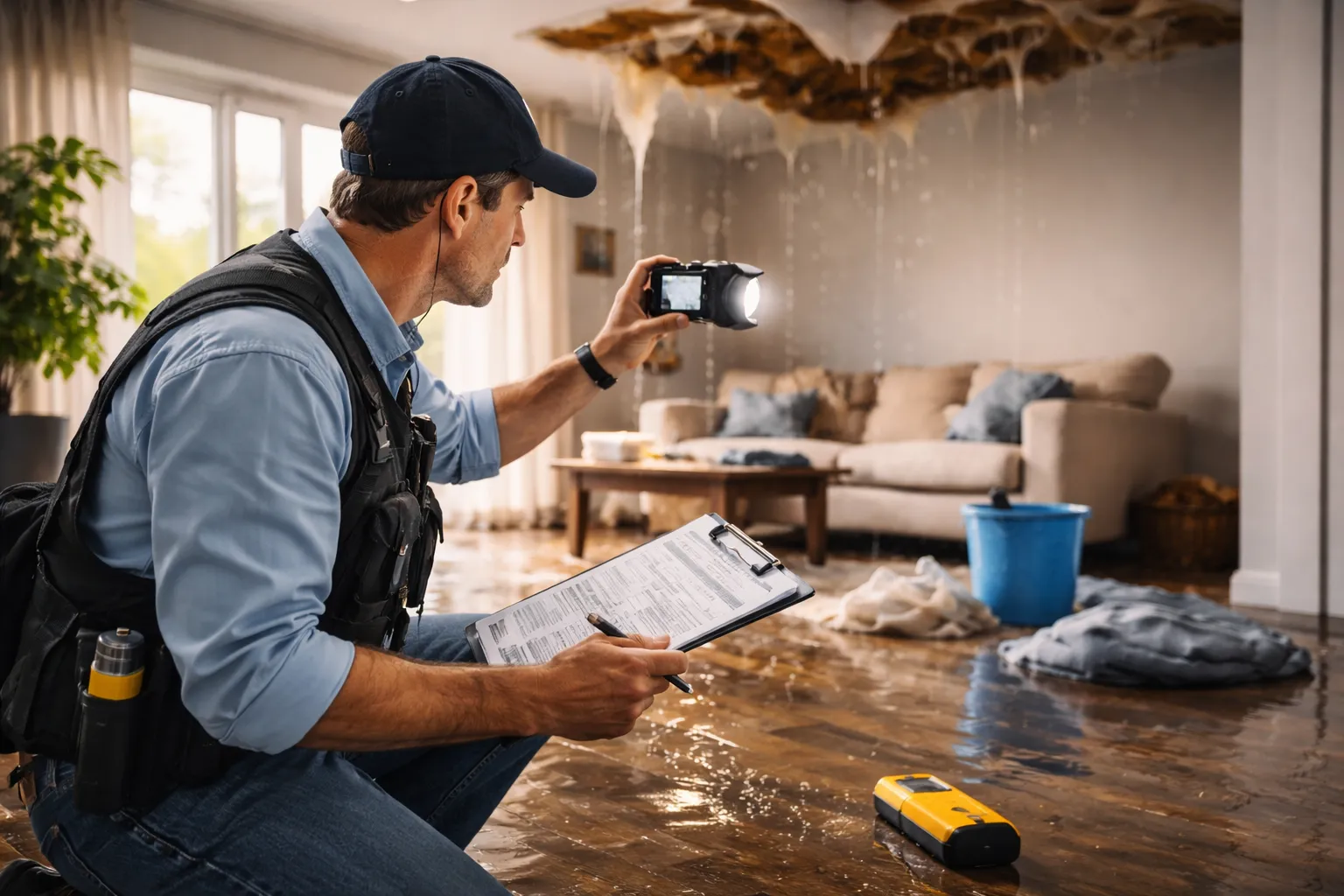
This isn’t guesswork. It’s a process.
1. Policy Review
They read your policy line by line. Coverage limits. Exclusions. Endorsements. Most homeowners never do—and that’s not a criticism. Policies are dense by design.
2. Damage Inspection
Public adjusters inspect visible and hidden damage. Moisture meters. Photographic evidence. Detailed notes.
3. Loss Valuation
They calculate the true cost of repair or replacement, including labor, materials, code upgrades, and related expenses.
4. Claim Documentation
They prepare a formal claim package that aligns with insurer requirements while protecting your interests.
5. Negotiation
They handle communication with the insurance company. All of it. Calls, emails, follow-ups, disputes.
6. Settlement Support
They push for fair settlement—often revising insurer estimates multiple times before resolution.
This isn’t adversarial. It’s professional advocacy.
When Should You Hire a Water Damage Public Adjuster?
Timing matters.
You may benefit from hiring a water damage public adjuster if:
- The damage affects multiple rooms
- The insurer’s estimate seems low
- Your claim is delayed or partially denied
- Mold is involved
- Structural elements are affected
- You feel pressured to settle quickly
Early involvement often leads to stronger outcomes, but adjusters can also step in mid-claim if things start going sideways.
Why Homeowners Choose Public Adjusters
The benefits are practical, not theoretical.
Key Advantages
- Higher settlements on average
- Reduced homeowner stress
- Professional documentation
- Stronger negotiation leverage
- Fewer missed damage categories
Insurance companies negotiate claims every day. Most homeowners do this once or twice in a lifetime. A water damage public adjuster helps balance that experience gap.
How Public Adjusters Get Paid
Public adjusters typically work on a contingency fee, meaning they only get paid if you do.
| Fee Structure | What It Means |
| Percentage-based | Usually 5–15% of the settlement |
| No upfront fees | Payment comes from the claim |
| Regulated | Fee caps vary by state |
Before signing, review the contract carefully. A reputable adjuster explains fees clearly and answers questions without pressure.
Public Adjuster vs Contractor vs Insurance Adjuster
This confusion causes real problems.
Contractors cannot negotiate insurance claims unless they’re licensed adjusters. Insurance adjusters do not work for you. A water damage public adjuster fills the gap between damage and dollars.
Think of it like this:
- Contractors fix damage
- Adjusters fix paperwork and payout accuracy
Both are important. They’re just not interchangeable.
Common Mistakes Homeowners Make With Water Damage Claims
I’ve seen these mistakes cost people thousands.
- Accepting the first offer
- Starting repairs too early
- Failing to document moisture spread
- Missing claim deadlines
- Assuming insurance will “do the right thing”
Insurance companies operate within contracts. Not assumptions.
A water damage public adjuster helps prevent these missteps before they happen.
Choosing the Right Water Damage Public Adjuster
Not all adjusters are equal.
What to Look For
- Active state license
- Experience with water damage claims
- Clear communication style
- Transparent fee agreement
- Willingness to explain strategy
Red Flags
- Guaranteed settlement promises
- Pressure to sign immediately
- Vague fee explanations
- Lack of water-specific experience
Ask questions. A professional won’t rush you.
What the Process Looks Like After You Hire One
Expect structure.
- Initial inspection
- Documentation and estimate preparation
- Claim submission or revision
- Negotiation phase
- Settlement review
Timelines vary, but clarity improves quickly once a water damage public adjuster takes over communication.
Water Damage, Mold, and Long-Term Risks

Water damage rarely ends when surfaces dry.
Mold thrives in damp, enclosed spaces. Insurers often limit mold coverage aggressively. Public adjusters understand how to document moisture migration and secondary damage properly.
This documentation can protect:
- Property value
- Indoor air quality
- Future resale disclosures
Ignoring it can cost far more later.
Residential vs Commercial Water Damage Claims
Commercial claims introduce complexity:
- Business interruption
- Inventory loss
- Tenant displacement
- Revenue documentation
A water damage public adjuster with commercial experience can be critical here. These claims are rarely straightforward.
Legal and Regulatory Considerations
Public adjusters are regulated at the state level. They must follow strict licensing, conduct, and disclosure rules.
They are not attorneys, but they often work alongside legal professionals if disputes escalate.
For most claims, legal action isn’t necessary. Skilled adjustment resolves issues earlier.
Is a Water Damage Public Adjuster Worth It?
Sometimes, yes. Sometimes, no.
You may not need one for:
- Minor, contained damage
- Clear-cut claims with full coverage
- Small losses resolved quickly
But for complex, disputed, or high-dollar water damage claims, a water damage public adjuster can protect both your finances and your sanity.
Water damage is stressful enough. Your insurance claim shouldn’t make it worse.
FAQs
A water damage public adjuster represents homeowners by documenting damage, preparing the claim, and negotiating a fair insurance settlement.
You should consider hiring one if your claim is delayed, underpaid, denied, or involves extensive or hidden water damage.
No, a water damage public adjuster works exclusively for the homeowner, not the insurance provider.
Most work on a contingency fee, typically a percentage of the final settlement, and only get paid if you do.
In many cases, yes—proper documentation and negotiation often result in higher, more accurate settlements.
No, a water damage public adjuster can step in at almost any stage of the claims process.
Yes, contractors handle repairs, while the public adjuster handles the insurance claim and payout.
Typically no—experienced public adjusters often speed things up by managing communication and paperwork.
Yes, public adjusters must be licensed by the state and follow strict regulatory guidelines.
For minor damage, it may not be necessary, but larger or complex claims often benefit significantly from professional help.