
A burnt smell in the house has a way of hijacking your senses.
It lingers. It clings. And it refuses to leave quietly.
Whether it came from scorched food, a smoky candle mishap, a minor electrical issue, or a small fire event, learning how to get rid of burnt smell in a house takes more than cracking a window and hoping for the best. Smoke odors behave differently than everyday smells. They’re stubborn. They embed themselves into surfaces, fabrics, and even the air system itself.
I’ve seen homeowners scrub for days only to realize the smell is still there — faint, but persistent. And that’s the frustrating part. You think it’s gone… until you walk back inside.
Let’s break this down clearly and practically. No fluff. No gimmicks. Just what actually works.
Why Burnt Smell Is So Hard to Remove
Burnt odors aren’t just “smells.”
They’re microscopic particles.
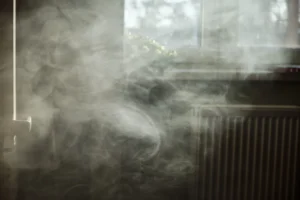
When something burns, it releases smoke, soot, and gases that float through the home and attach themselves to porous materials. Walls. Carpets. Furniture. Insulation. Even the inside of your HVAC ducts.
That’s why a burnt smell can linger long after the visible mess is cleaned up.
Here’s what makes it worse:
- Smoke particles are oily and sticky
- Synthetic materials release stronger odors when burned
- Heat pushes odor deep into surfaces
- Air circulation spreads it far beyond the original source
Understanding this is key. If you only treat the air, the smell comes back. If you only clean surfaces, the smell floats back out of fabrics and ducts later.
To truly learn how to get rid of burnt smell in a house, you need a layered approach.
Step One: Make Sure the Smell Isn’t a Safety Issue
Before cleaning anything, pause.
Some burnt smells are harmless leftovers. Others are warnings.
Check immediately for:
- Electrical burning smells (sharp, plastic-like, fishy odors)
- Overheated appliances
- Smoldering materials in trash, cabinets, or walls
- Recent fire or smoke exposure that wasn’t fully assessed
If the smell is strongest near outlets, breaker panels, or appliances, stop and have it inspected. No amount of baking soda fixes an electrical issue.
Once safety is confirmed, move forward.
Ventilation: Your First and Fastest Win
Fresh air matters more than people realize. But it has to be done correctly.
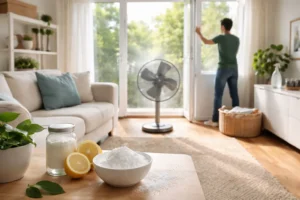
Open windows on opposite sides of the house to create cross-ventilation. Place box fans facing outward to pull smoky air out, not push it around.
Ventilation tips that actually work:
- Vent during cooler hours if possible
- Use exhaust fans in kitchens and bathrooms
- Avoid running HVAC early if ducts may be contaminated
- Replace HVAC filters immediately
Ventilation won’t solve everything. But it sets the stage for everything that follows.
Neutralizing Burnt Smell in the Air (Not Masking It)
Air fresheners don’t remove odors. They decorate them.
What you want is neutralization.
Effective odor absorbers:
- Baking soda in open bowls
- Activated charcoal bags
- White vinegar (bowls or simmer pots)
- Coffee grounds for localized areas
Simmer pots help more than people expect. A pot of water with vinegar, citrus peels, or cloves gently heated for an hour can noticeably reduce airborne smoke smell.
Air purifiers with HEPA and carbon filters also help – especially in closed rooms.
But remember this: If the smell keeps returning, it’s living somewhere else.
Cleaning Surfaces Where Smoke Hides
Walls and ceilings are major odor traps, even when they look clean.
Smoke residue is often invisible.
Use a gentle degreasing cleaner or a vinegar-water mix. Always start from the top and work down.
Focus on:
- Walls and ceilings
- Doors and trim
- Cabinet exteriors and interiors
- Light fixtures and switch plates
Painted surfaces may need more than wiping. If odors persist, odor-sealing primer is sometimes the only permanent fix.
Skipping walls is one of the biggest mistakes people make when trying to get rid of burnt smell in a house.
Fabrics: The Silent Odor Reservoir
Fabrics absorb smoke fast. And release it slowly.
Curtains, couches, throw pillows, clothing, and bedding all need attention.
What works:
- Wash machine-safe items with vinegar added to the rinse cycle
- Sun-dry when possible (UV light helps break odor compounds)
- Sprinkle baking soda on upholstery before vacuuming
- Use steam cleaners cautiously
Sometimes, cleaning isn’t enough. If a fabric item was directly exposed to smoke, replacement may be the only solution.
That’s not failure. It’s physics.
Carpets and Flooring: Where Smells Settle
Carpet padding is notorious for trapping smoke odors.
Surface vacuuming helps, but it’s rarely enough.
Options include:
- Baking soda treatments followed by deep vacuuming
- Hot water extraction (professional-grade preferred)
- Enzyme cleaners designed for smoke odor
Hard floors aren’t immune either. Smoke clings to grout, seams, and underlayment.
If you’ve tried everything and the smell still rises when humidity increases, the odor is likely beneath the surface.
HVAC Systems: How Smells Travel and Stay
Smoke loves HVAC systems.
Once it enters ductwork, every time the system runs, it redistributes the smell.
Key steps:
- Replace filters immediately
- Avoid running HVAC until odor source is addressed
- Inspect vents for visible soot
- Consider professional duct cleaning if exposure was significant
Ignoring HVAC contamination is why many homes smell “fine” for weeks — then suddenly don’t.
Natural vs. Chemical Odor Removal Methods
Natural methods are safer for light to moderate odors. Chemical methods are stronger — and sometimes necessary.
| Method | Best For | Caution |
| Vinegar & baking soda | Light smoke odors | Requires repetition |
| Enzyme cleaners | Organic odor compounds | Slower results |
| Ozone treatments | Severe smoke damage | Requires professional use |
| Thermal fogging | Deep odor penetration | Not DIY-friendly |
Stronger isn’t always better. It’s about matching the method to the problem.
When Burnt Smell Won’t Go Away
This is the turning point.
If you’ve cleaned, ventilated, washed, and filtered — and the burnt smell still lingers — you may be dealing with hidden contamination.
Common hidden sources include:
- Smoke in insulation
- Odor trapped behind drywall
- Electrical wiring damage
- Structural framing absorption
Persistent odor often signals damage that isn’t visible.
This is where many homeowners realize the issue goes beyond cleaning.
Why Documentation Matters (Even for Odors)
Burnt smell isn’t just uncomfortable.
It can indicate property damage.
Document:
- When the smell started
- Where it’s strongest
- What cleaning steps were taken
- Any visible residue or damage
Photos. Notes. Receipts.
Odor is often dismissed until it won’t go away. Then it becomes evidence.
Preventing Burnt Smell in the Future

Prevention is easier than removal.
Smart habits help:
- Use exhaust fans while cooking
- Avoid unattended candles
- Maintain appliances regularly
- Replace HVAC filters consistently
- Address small smoke incidents immediately
Burnt smells become stubborn when they’re ignored early.
Common Mistakes That Make Burnt Smell Worse
Let’s call these out clearly.
- Masking odors instead of removing them
- Skipping wall and ceiling cleaning
- Running HVAC too early
- Replacing furniture before removing the odor source
- Assuming time alone will fix it
Time doesn’t remove smoke. Action does.
Frequently Asked Questions
Start with cross-ventilation, replace HVAC filters, and use odor absorbers like baking soda or charcoal.
Smoke particles hide in walls, fabrics, carpets, or ducts and release odors over time.
No, they only mask it and often make smoke odors worse later.
Yes, lingering smoke residue can irritate lungs and trigger allergies or headaches.
Only when surfaces are cleaned first and sealed with an odor-blocking primer.
Light odors may clear in days, while deeper smoke damage can take weeks.
Yes, contaminated ductwork can circulate odors throughout the house.
Carpet padding can hold smoke odors unless professionally cleaned or replaced.
They work for mild cases but struggle with deep or widespread smoke contamination.
If the smell persists after thorough cleaning or suggests hidden damage.
Final Thoughts
Learning how to get rid of burnt smell in a house isn’t about one magic trick. It’s about understanding how smoke behaves, then methodically removing it from every place it hides.
Sometimes the solution is simple. Sometimes it reveals something deeper.
Either way, the goal is the same: a home that smells clean, feels safe, and actually stays that way.
And once that burnt smell is gone? You’ll notice the silence. The comfort. The relief.
That’s when you know you did it right.