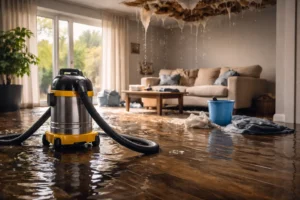

Built up roof repair is one of those topics that rarely gets attention until something goes wrong. A stain appears on the ceiling. A musty odor lingers. A maintenance report raises red flags. Suddenly, what felt like a durable, “set-it-and-forget-it” roof becomes the most urgent concern on the property.
I’ve seen this pattern repeat over and over. Built-up roofing systems are tough, layered, and forgiving—but only to a point. When they fail, they rarely do so loudly. Damage builds quietly. Moisture spreads. Repair costs rise.
The good news? Most built-up roof problems are repairable when caught early. The better news? Knowing how these roofs fail, how repairs actually work, and when repair is no longer enough gives property owners and managers a major advantage.
Let’s break it down.
What a Built-Up Roof Really Is (and Why It Behaves the Way It Does)
A built-up roof, often called a BUR, is exactly what it sounds like. It’s built in layers. Multiple plies of roofing felt are installed with hot asphalt or coal tar, finished with a protective surface—often gravel or a cap sheet.
This layered design is the reason built-up roofs remain common on commercial and industrial buildings decades after newer single-ply systems entered the market.
Core components of a built-up roofing system include:
- Structural roof deck
- Insulation (varies by building and era)
- Multiple felt plies
- Bitumen (asphalt or coal tar)
- Surfacing material (aggregate, coating, or cap sheet)
Each layer serves a purpose. Together, they create redundancy. When one layer weakens, others continue to resist water intrusion. That’s also why built up roof repair can be so effective when performed correctly.
But redundancy doesn’t mean invincibility.
Why Built-Up Roofs Fail Over Time
Built-up roofing systems are exposed to constant stress. Not dramatic stress. Subtle, daily stress. And that’s what makes damage hard to spot.
Here’s what typically drives deterioration:
Environmental Exposure
Sunlight breaks down bitumen slowly but relentlessly. Heat causes expansion. Cool temperatures cause contraction. This movement creates micro-cracks that grow over time.
Water That Doesn’t Leave
Flat roofs aren’t perfectly flat. When water ponds, it adds weight, accelerates aging, and finds weak points. Ponding is one of the most common triggers for built up roof repair.
Foot Traffic
HVAC maintenance. Cable installs. Routine inspections. Every step compresses insulation and stresses the membrane.
Age
Even the best-built BUR systems have a lifespan. Materials dry out. Adhesion weakens. Protective aggregate loosens.
None of this means failure is inevitable tomorrow. It means maintenance and repair matter today.
Early Warning Signs That Built Up Roof Repair Is Needed
This is where attention pays off. Built-up roofs almost always give warnings before major failure.
Look for these signs during inspections:
- Cracking or surface checking
- Blisters or raised bubbles
- Missing or displaced gravel
- Soft or spongy areas underfoot
- Open seams near flashing or penetrations
Inside the building, watch for:
- Water stains on ceilings or walls
- Peeling paint
- Persistent humidity or mildew odors
Here’s the key point. Visible damage rarely shows the full extent of the problem. A small blister can indicate trapped moisture beneath multiple plies. A minor crack may be the tip of a much larger saturation issue.
That’s why proper assessment comes before repair.
How Built-Up Roof Damage Is Properly Evaluated
A quality built up roof repair begins with diagnosis, not tools.
Professional evaluation may include:
- Visual inspection of the entire roof surface
- Moisture scanning (infrared or capacitance-based)
- Core sampling to identify saturated layers
- Inspection of flashing, drains, and edges
This process separates cosmetic issues from functional failures. And that distinction matters. Repairing the surface while moisture remains trapped below is a short-term fix with long-term consequences.
I always tell property owners this: a repair that ignores moisture is not a repair—it’s a delay.
Types of Built Up Roof Repair (And When Each Makes Sense)
Not all repairs are equal. The method matters as much as the materials.
1. Localized Spot Repairs
Used for isolated damage.
- Sealing cracks
- Replacing small sections of felt
- Re-embedding aggregate
These repairs work when damage hasn’t spread beyond the surface layers.
2. Blister Repairs
Blisters must be handled carefully.
- Cut and dry trapped moisture
- Reinforce with compatible materials
- Seal and resurface
Some blisters are cosmetic. Others signal widespread moisture. Knowing the difference saves money.
3. Flashing Repairs
Most leaks originate here.
- Roof-to-wall transitions
- Penetrations
- Expansion joints
Flashing repairs are often the highest return-on-investment built up roof repair option available.
4. Drainage Corrections
Standing water shortens roof life fast.
- Adding tapered insulation
- Modifying drains or scuppers
- Improving slope transitions
This isn’t cosmetic work. It’s structural prevention.
Repair vs. Restoration vs. Replacement
This is where many decisions go wrong. Property owners jump to replacement when repair would suffice—or delay replacement when repairs no longer make sense.
Here’s a simple comparison:
| Option | Best For | Key Benefit |
| Repair | Localized damage | Lowest cost, fastest |
| Restoration | Widespread wear, limited moisture | Extends roof life |
| Replacement | Structural failure or saturation | Long-term solution |
Built up roof repair remains viable as long as the underlying system retains integrity. Once insulation is saturated across large areas, repair becomes impractical.
Materials Matter More Than Most Realize
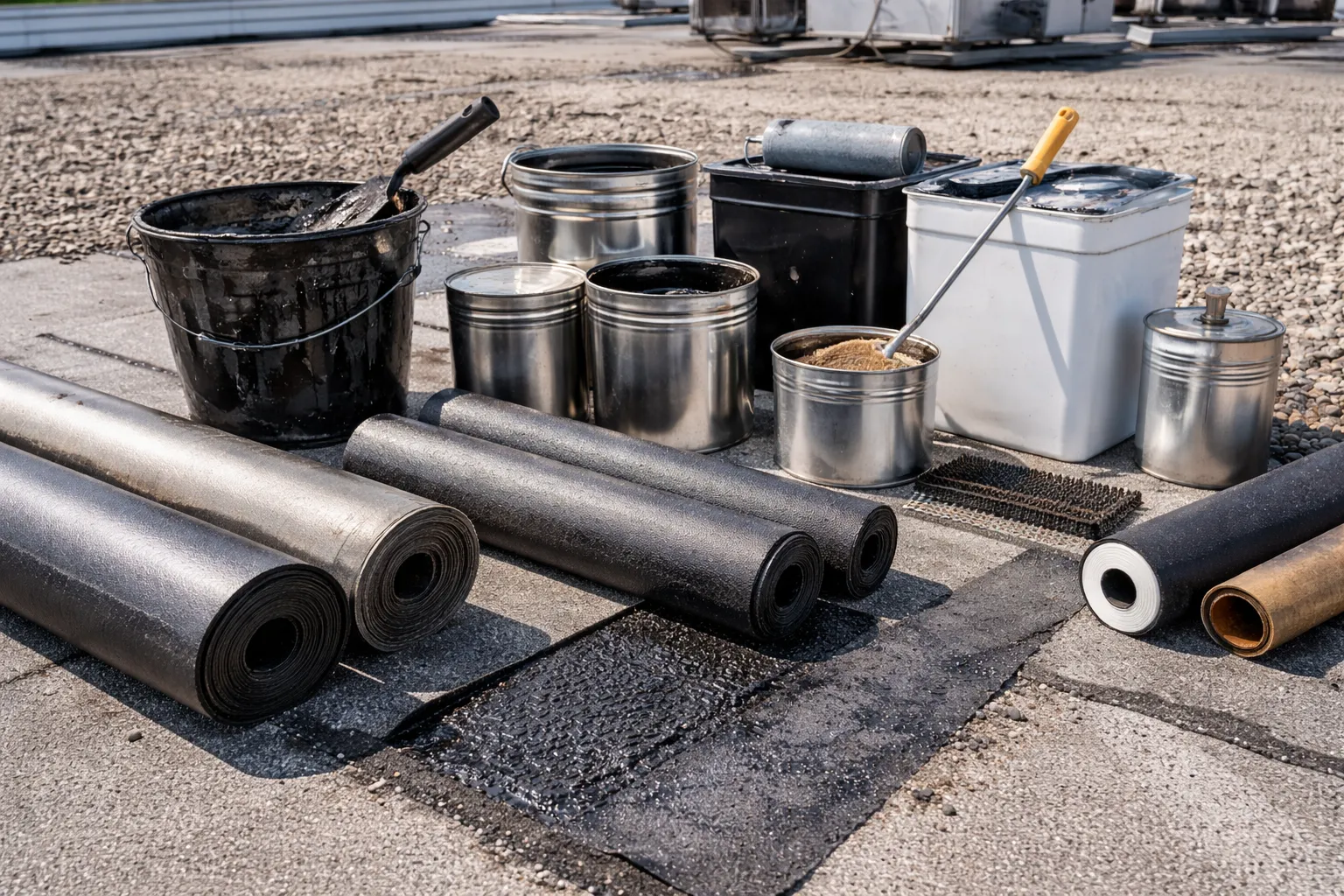
BUR systems are sensitive to compatibility.
Asphalt-based roofs require asphalt-compatible materials. Coal tar systems require coal tar products. Mixing materials is one of the fastest ways to void warranties and shorten repair life.
Common repair materials include:
- Reinforcing felts
- Asphalt mastics
- Reflective coatings (when appropriate)
- Aggregate replacements
Matching materials to the existing system is not optional. It’s essential.
What Built Up Roof Repair Really Costs
There’s no universal price tag, but cost drivers are predictable.
Key factors include:
- Size of damaged area
- Roof accessibility
- Labor complexity
- Height and safety requirements
- Extent of moisture damage
Cheap repairs often fail first. And failed repairs usually cost more the second time around.
Maintenance: The Silent Partner of Every Successful Repair
A repaired roof without maintenance is a ticking clock.
Effective maintenance includes:
- Semiannual inspections
- Post-storm evaluations
- Drain cleaning
- Prompt minor repairs
Document everything. Photos. Dates. Repairs. This documentation supports long-term asset management and simplifies future evaluations.
Weather Events and Built-Up Roof Damage
Storms don’t always tear roofs apart. Sometimes they just weaken them.
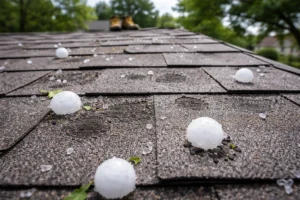
High winds loosen aggregate. Heavy rain exposes drainage weaknesses. Hail fractures surface layers without obvious punctures.
After severe weather, built up roof repair often becomes necessary—even if damage isn’t immediately visible.
Built-Up Roof Repair and Insurance Considerations
While this article isn’t about claims, the reality is unavoidable. Roof repairs often intersect with insurance.
The challenge lies in distinguishing:
- Maintenance-related wear
- Sudden storm-related damage
- Repairable vs. non-repairable conditions
Clear documentation and professional evaluation reduce disputes and delays. Ambiguity benefits no one.
Choosing the Right Professional for the Job
Experience matters. BUR systems are not beginner-friendly.
Look for professionals who:
- Specialize in built-up roofing
- Understand material compatibility
- Document their findings
- Explain repair logic clearly
Speed doesn’t equal quality. And quality always outlasts speed.
Common Built-Up Roof Repair Mistakes to Avoid
Some errors are expensive. Others are catastrophic.
Avoid:
- Covering wet insulation
- Ignoring flashing issues
- Using incompatible materials
- Relying on coatings as permanent fixes
Every shortcut today becomes a failure tomorrow.
Frequently Asked Questions About Built Up Roof Repair
Built up roof repair involves fixing damaged layers, flashing, or surfacing on a BUR system to restore waterproofing and performance.
When done correctly and moisture is addressed, repairs can extend a built-up roof’s life by several years.
Yes, targeted repairs can stop leaks when the damage is localized and properly identified.
Repair is more cost-effective when the roof structure is sound and damage has not spread extensively.
Ponding water, aging materials, flashing issues, and deferred maintenance cause most failures.
Yes, most repairs are performed on the exterior and cause minimal disruption to occupants.
They use visual inspections, moisture scans, and core samples to identify trapped water and weakened layers.
No, coatings help protect the surface but do not replace structural repairs.
They should be inspected at least twice a year and after major weather events.
Repair is no longer effective when insulation is widely saturated or the roof structure has failed.
Final Thoughts: Why Built Up Roof Repair Is About Timing, Not Panic
Built up roof repair isn’t about reacting fast. It’s about acting early.
When repairs are planned, evaluated, and executed correctly, BUR systems can outperform expectations. When repairs are rushed or delayed, costs climb and options shrink.
Flat roofs don’t fail overnight. They fail quietly. The smartest property owners listen early, repair intelligently, and protect their investment long before replacement becomes the only option.
And that’s the real value of understanding built up roof repair—not just fixing a roof, but preserving an asset.